DEEP RESEARCH · China semiconductor supply chain
The Paradox of U.S. Restrictions: China’s 28nm Push and the HP Supply-Chain Signal
A short research note translating the linked Global Economic article card into a supply-chain lens.
0. Bottom line first
The post itself is essentially a shared article card. The point is the paradox that U.S. export controls may slow China in advanced semiconductors while also accelerating China’s 28nm self-sufficiency and possible entry of Chinese memory into global PC supply chains.
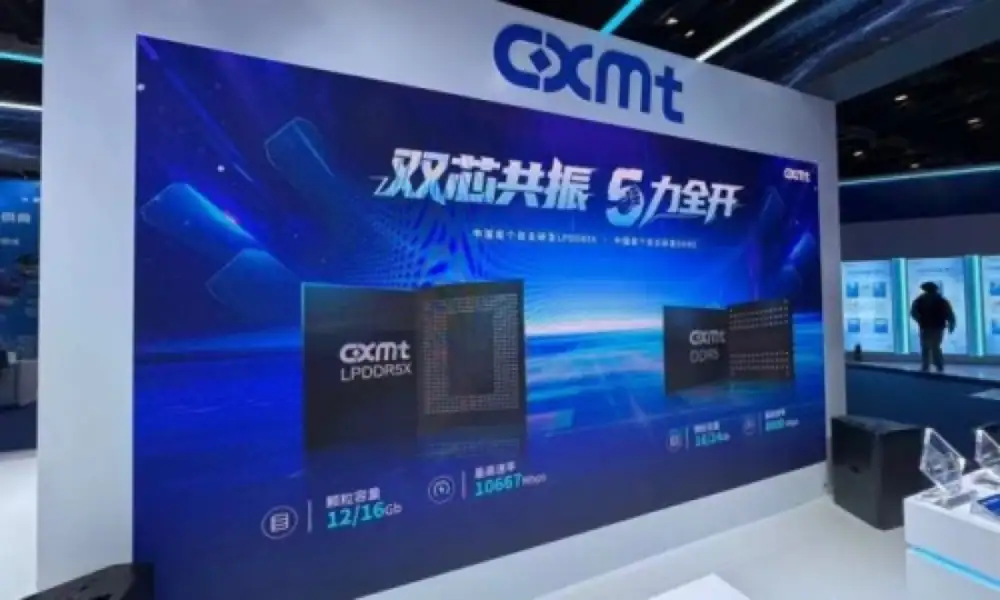
Official fact: The source contains a Global Economic article link. The link-card title says, “The paradox of U.S. restrictions: China crosses the 28nm barrier and penetrates HP’s supply chain.”
Official fact: The link-card summary says that despite broad U.S. export controls, China’s semiconductor industry is viewed as having mastered the 28nm process, a milestone for technology self-reliance, and that HP, the world’s second-largest PC maker, is considering Chinese memory.
1. What to watch
- 28nm is not a leading-edge node, but it remains important for industrial, automotive, and general-purpose chips.
- The signal that HP is considering Chinese memory shows how China-exclusion strategies can collide with cost, supply security, and product-segment requirements in real procurement decisions.
- Because the original post only shared the article card, this report stays within the facts visible in that card.
2. My interpretation
Interpretation: U.S. restrictions pressure China in advanced AI chips and leading-edge manufacturing, but that same pressure can stimulate domestic mature-node investment and Chinese component adoption. Supply-chain analysis therefore needs to separate “China’s leading-edge limits” from “mature-node and memory penetration potential.”
Export controls
The source article card frames broad U.S. export controls as the backdrop.
28nm
The key number is 28nm, described as a milestone node for China’s semiconductor self-reliance.
HP supply chain
Chinese-memory consideration by the world’s No. 2 PC maker is a procurement signal.
3. Questions for investors
- Does Chinese memory adoption move from consideration to actual mass-production models?
- Does 28nm self-reliance translate into price competition or into better supply security for specific components?
- Do U.S. restrictions continue to act as pressure on advanced nodes but as an investment catalyst for mature nodes?
Sources
- Source 1: Naver Blog original
- Source 2: Global Economic article