DEEP RESEARCH · SOLAR/POLYSILICON
Hanwha Solutions’ North American Silicon Setback After the REC Silicon Vote
REC Silicon board control, the Moses Lake supply termination, and the practical limits of North American polysilicon alternatives
0. Bottom line first
The REC Silicon shareholder vote was more than a board reshuffle. It signaled a serious obstacle to Hanwha’s plan to internalize a North American solar value chain. The near-term alternative looks closer to OCI Malaysia, while large-scale North American alternatives remain limited.
Official fact: The source post includes this article link: Hanwha Group faces pressure over REC Silicon and a U.S. court evidence order.
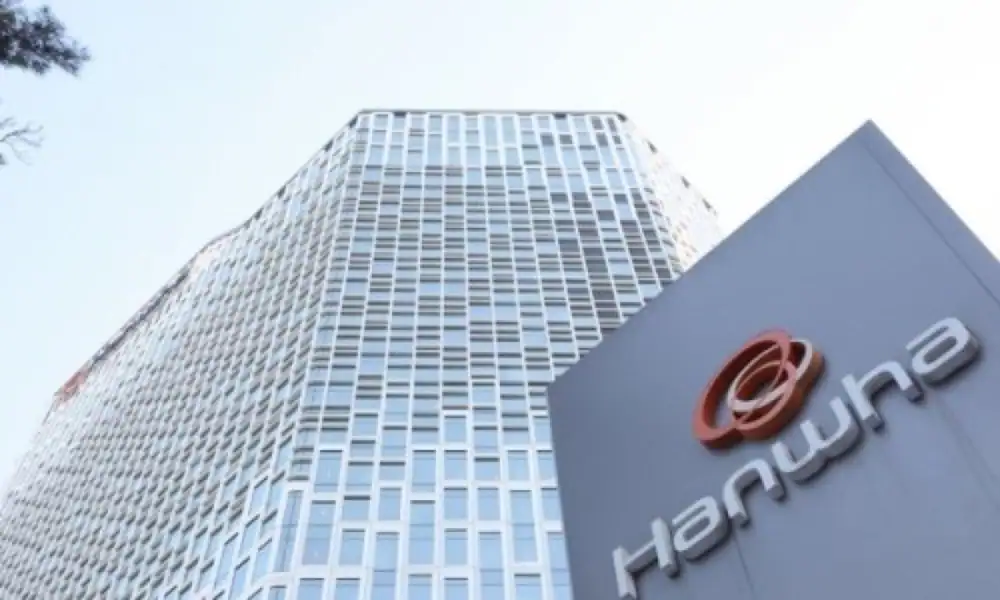
1. Loss of REC Silicon Board Control
Official fact: Hanwha Group held 33.3% of REC Silicon, a Norwegian polysilicon producer, but lost the proxy fight at an extraordinary general meeting against minority shareholders and hedge-fund-aligned investors.
- The existing Hanwha-recommended directors were removed, and five new directors backed by hedge funds and minority shareholders were approved.
- Hanwha’s proposals tied to new share issuance and treasury-share purchase authority for a full subsidiary plan were rejected.
- Shareholders also approved a special investigation into the Moses Lake closure and the Hanwha Qcells supply-contract termination.
2. Core Conflict: Polysilicon Supply Contract Termination
Official fact: Hanwha Qcells terminated a long-term supply contract, estimated at roughly KRW 4 trillion over 10 years, saying polysilicon from REC Silicon’s Moses Lake plant did not meet quality standards.
Interpretation: REC Silicon then faced a plant shutdown, heavy losses, and a collapsing share price. Minority shareholders questioned whether Hanwha was trying to depress REC Silicon’s value before buying the remaining shares cheaply, and that suspicion fed into the shareholder vote.
3. Immediate Alternative: OCI Malaysia
Official fact: After the Moses Lake plant could not fulfill the contract, Hanwha Qcells signed a 10-year long-term supply agreement with OCIM, the Malaysian subsidiary of OCI Holdings.
Interpretation: This means Hanwha’s “solar hub” depends on Malaysian polysilicon in the near term, not U.S.-made polysilicon. That is a step back from the original goal of a fully domestic U.S. value chain.
4. North American Polysilicon Options
Wacker Chemie
A German company operating a large polysilicon plant in Tennessee and one of the important U.S. solar-grade polysilicon suppliers.
Hemlock Semiconductor
A Michigan-based producer often grouped with Wacker as one of the two major U.S. polysilicon names. It is strong in high-purity semiconductor-grade product and also produces solar-grade product.
Highland Materials
Announced a Tennessee solar-grade polysilicon plant supported by IRA 48C tax credits, targeting initial annual capacity of 16,000 tons, expansion to 20,000 tons, and commercial operation by late 2026.
5. My Read
Interpretation: After REC Silicon’s failure, there is no abundant North American polysilicon cluster Hanwha can immediately rely on. OCI Malaysia is therefore the practical near-term answer. Longer term, Wacker, Hemlock, and Highland Materials leave room for a stronger North American supply chain.
Sources
- Original and reference link 1: https://m.blog.naver.com/PostView.naver?blogId=star_of_self&logNo=223915557670
- Original and reference link 2: https://naver.me/GLzpIOhg