DEEP RESEARCH · INBODY/SHAREHOLDERS MEETING
[InBody] Notes from the 29th Shareholders Meeting
A field memo summarizing Q&A on the former CEO’s resignation, lower ROE, KOROT/BWA investment, shareholder returns, and data value
0. Bottom line first
I first became a shareholder around 2021 and have held the stock for a long time, but this was my first InBody shareholders meeting. After the required legal procedures, the Q&A suggested that management frames higher costs and losses in new businesses less as simple deterioration and more as investment before results appear.
1. Why I attended
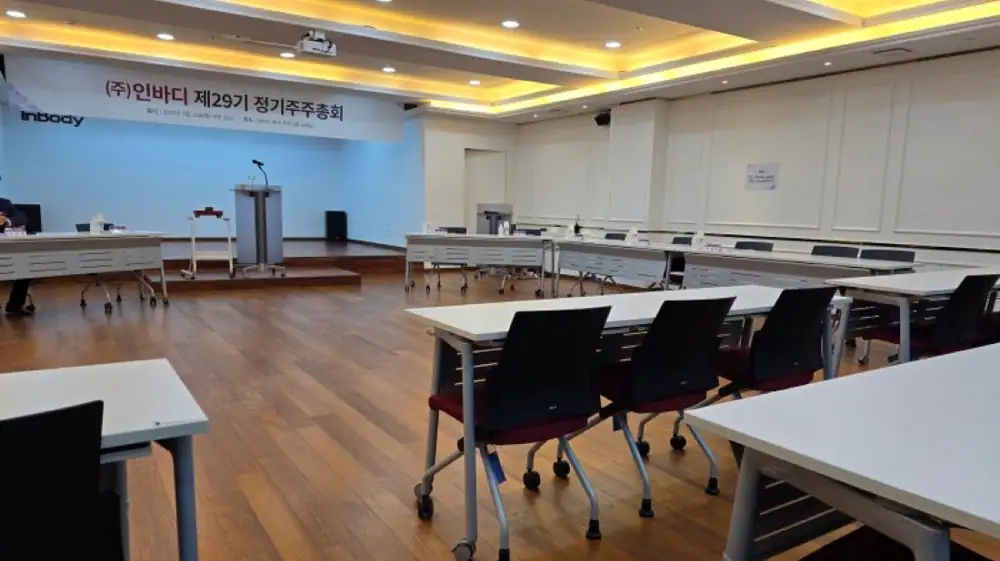
I took a day off work, left around 6 a.m., went to a Starbucks near InBody by Hakdong Station, handled only urgent work remotely, and entered the meeting venue around 9:30. The meeting was held in the venue shown in the photo, and the legally required procedures came first.
Interpretation: Since most readers know those procedures, I am focusing on the questions and answers that followed.
2. Management change and profitability
Disagreement and project reduction
The answer was that there had been disagreements, many initiatives had not produced results, and some had become weak, so the company began reducing work early last year and the former CEO resigned at year-end.
From the 20% range to the low teens
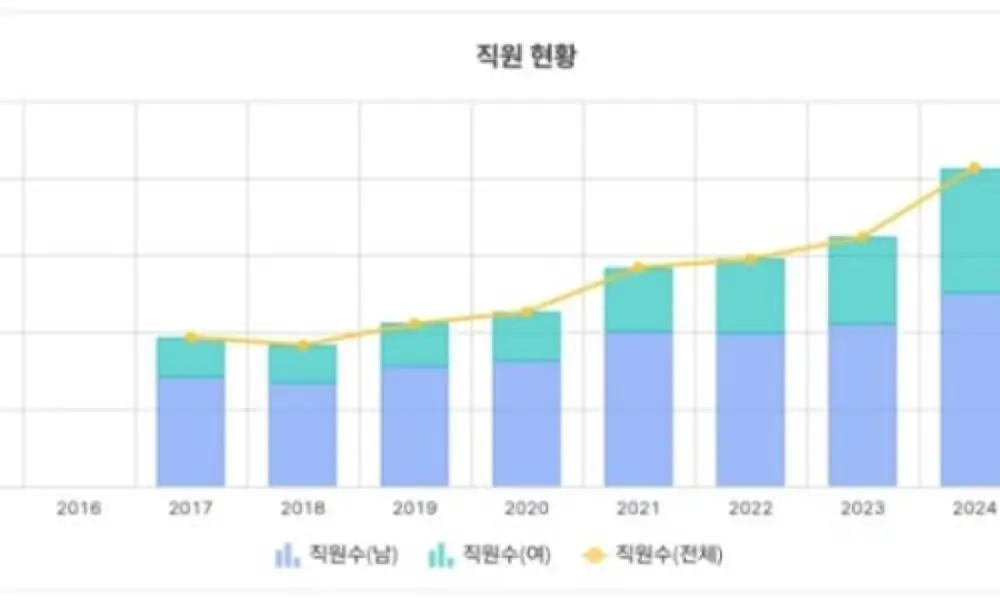
The main factor was higher SG&A from hiring. Early losses in KOROT and BWA were described as investment activity before results appear.
Whether ROE is a planning metric
I asked whether ROE is used as a management indicator in business planning, but did not receive an answer to that point.
Interpretation: There was also a joking comment that around 2015 investors asked the company to invest because margins were high but sales were not growing quickly, and now complain that margins are lower because the company is investing more. I cannot assume margins return to the old level, but management explained the current cost increase as an investment phase.
3. New businesses: KOROT, BWA, and AI
| Topic | Answer | My read |
|---|---|---|
| KOROT 2024 sales | About KRW 1 billion in revenue, around 500 units | Still an early revenue stage |
| KOROT 2025 target | Target of about KRW 3 billion, with U.S. expansion starting this year | Losses may continue for the time being |
| AI research | About 10 people in the AI research team, but no reportable results yet | Still before disclosed outcomes |
| BWA | BWA entity in the eastern U.S.; about 20 BWA-device-related staff; around 10,000 papers using the device | The value comes when InBody data is combined with medical data |
4. Shareholder returns and capital policy
Official fact: On the quarterly-dividend agenda item, management said it did not mean quarterly dividends would start immediately this year; it was included because it may be needed later under commercial law.
There was also a question on whether, given the stake held by CEO Cha and other major shareholders is below 30%, share cancellation could raise their ownership percentage and benefit both common shareholders and major shareholders.
Interpretation: The answer was that Executive Director Cha In-joon faces difficulty paying inheritance tax because the share price is below the level at the time of inheritance, and he cannot sell because he considers the stock cheap. The explanation rejected the market rumor that the share price is being suppressed for inheritance purposes. The company sounded willing to continue shareholder returns, including cancellation, as it did last year. There was also a comment that last year the company used nearly all the money it earned if including treasury-share purchases that were not cancelled.
5. Data value, U.S. military sales, and India
- On the question of whether the market views InBody as a simple manufacturer and does not value its data, the answer was that InBody data alone is not very meaningful; it becomes meaningful when combined with medical data, which is why the company is investing in combination with BWA despite losses.
- I did not hear the U.S. military sales answer well because of another call. My understanding is that the product has penetrated quite a bit, with initial one- or two-unit deliveries to the Army and Navy and a past bulk delivery of around 300 units. It is not predictable, but management seemed to expect it to continue.
- For the India subsidiary, Executive Director Cha went there right after graduating university and built it from scratch. It generated about KRW 4 billion last year and is viewed as a market with high growth potential, partly due to Korean companies entering India and fitness-related revenue.
6. Pricing strategy and peripheral products
On whether lower margins indicate cutthroat competition, the answer was no; it should be viewed as occurring during investment and headcount expansion.
On whether cutting prices through mass production would sell more because the market wants fast revenue growth, management said it has no confidence in a price-cutting strategy. If it fails, prices cannot easily be raised again, and management thinks there is no obvious competitor, so the risk is high. The answer emphasized corporate longevity over short-term revenue growth.
I also asked whether products such as automatic blood-pressure monitors and height meters, unlike body-composition analyzers, KOROT, and BWA, hurt operating profit, and whether outsourcing instead of production at the Cheonan plant should be considered. The answer was that these products are sold as a set for hospitals with little profit, while automatic blood-pressure monitors have some profit. There was no meaningful answer on outsourcing.
7. Remaining notes
I had many more questions, but there were many other shareholder questions, so I only asked the second and last ones I had written down. I will send the remaining questions by email.
Overall, many shareholders in attendance seemed to be in their 30s and 40s. I also think there was a quiet, almost muttered comment that a new factory expansion may happen soon, though it was said so subtly and suddenly that I am not completely sure.
For readers interested in the 2024 fourth-quarter business-report review, see this link: https://blog.naver.com/star_of_self/223802426806
Sources
- Original post: Naver Blog original
- Related post: InBody 2024 fourth-quarter earnings review