DEEP RESEARCH · HBM/SAMSUNG ELECTRONICS
Samsung Electronics' HBM Opportunity: Looking Beyond Nvidia to ASIC Demand
A check on whether U.S. big-tech custom AI chips can change the HBM supply map
0. Bottom line first
Market psychology looks different every day, but large buying usually has a logic behind it. What I take from this article is that even if Samsung Electronics fell behind SK Hynix in HBM for Nvidia, it may still regain opportunity in HBM for big-tech custom ASIC AI chips.
Official fact: The article cited by the source is BusinessPost's report on whether Samsung may take most U.S. big-tech custom AI-chip HBM demand, projected at more than 20% of total HBM demand.
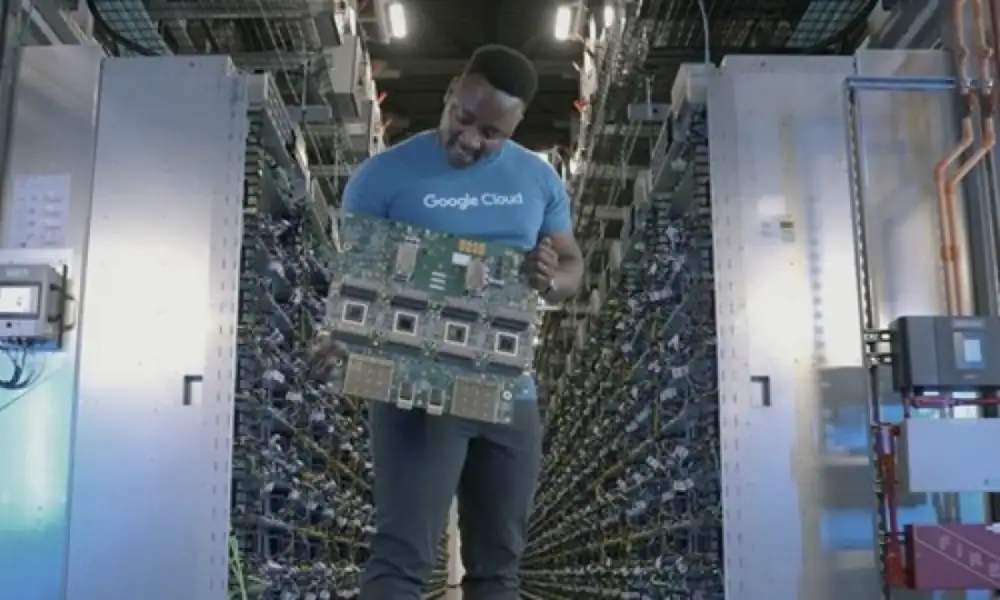
Interpretation: When someone buys at scale, it can mean they have that much conviction. The market may think differently tomorrow, but I do not want to ignore that rising prices usually have some logic behind them.
1. Article summary: Samsung's alternate route
The article's core message is that Samsung Electronics is expected to expand HBM supply for U.S. big-tech AI chips. Samsung lagged SK Hynix in HBM for Nvidia AI semiconductors, but the custom ASIC AI semiconductor market may create a new opening.
Official fact: The source summarizes that demand for HBM used in AI ASICs developed by Google, Amazon, Tesla, Microsoft, and other big-tech companies is expected to surge.
TPUv6
The source mentions Google's TPUv6 as one ASIC candidate where Samsung HBM supply could be likely.
Trainium3
AWS Trainium3 is also presented as a custom AI-chip HBM demand candidate.
Dojo
Tesla Dojo is cited as part of the big-tech custom AI semiconductor trend.
Maia200
Microsoft Maia200 is also listed as a potential target for Samsung HBM adoption.
2. ASIC market growth and HBM demand numbers
The source says ASIC AI semiconductors are gaining attention for AI data centers because they are more attractive than Nvidia GPUs in price and power efficiency. It summarizes a forecast that the ASIC AI semiconductor market could grow to USD 90 billion, about KRW 129 trillion, by 2027.
| Item | Source number | What to read |
|---|---|---|
| 2027 ASIC AI semiconductor market | USD 90 billion, about KRW 129 trillion | The assumption is that custom AI-chip investment can become a large market, not just a short-term theme. |
| 2025 total HBM demand | 2.426 billion GB | Total demand forecast cited from Morgan Stanley research in the source. |
| HBM for ASIC AI semiconductors | 495 million GB, about 20.41% | The key point is that more than 20% of HBM demand may arise outside Nvidia. |
Interpretation: In an HBM shortage, the question may not only be “who supplies Nvidia?” but also “who can receive the newly emerging ASIC demand?”
3. Samsung supply-expansion scenario
The source says SK Hynix has already contracted most of the HBM volume it will supply to Nvidia AI chips, leaving limited room to respond to the ASIC AI semiconductor market. In that gap, Samsung may expand HBM supply into ASIC AI semiconductors.
Official fact: The source summarizes that Samsung's HBM3E 8-high and 12-high products will compete with SK Hynix in some cases, but that Samsung products are expected to be adopted in most cases.
It also says Samsung Electronics is expected to receive Nvidia certification for its HBM3E 8-high product and begin supply from the end of 2025 Q1. That could become an additional opportunity to expand share in HBM for Nvidia AI semiconductors later.
4. My checkpoints
- Whether ASIC AI semiconductor demand turns into actual HBM orders, and how quickly.
- Whether Samsung HBM3E 8-high and 12-high certification and adoption progress as the article expects.
- Whether SK Hynix's Nvidia-committed volume creates an actual supply gap that Samsung can fill.
- Even when market psychology changes day by day, the logic behind large buying deserves tracking.
Sources
- Original Naver Blog post: https://m.blog.naver.com/PostView.naver?blogId=star_of_self&logNo=223755411857
- BusinessPost article: https://www.businesspost.co.kr/BP?command=article_view&num=382848