DEEP RESEARCH · DOOSAN ENERBILITY/SMR
[Doosan Enerbility] News - A Big Opportunity for Korea Too?
A research-style summary of the U.S. Kemmerer SMR project and Korea's nuclear supply-chain opportunity
0. Bottom line first
The age of nuclear power may be coming. SMR is emerging as infrastructure that touches power shortages, AI competition, and the energy transition at the same time, and Korean companies may play an important role in that supply chain.
Interpretation: The opportunity for Korean companies such as Doosan Enerbility and HD Hyundai starts from possible participation in component manufacturing and supply for U.S. SMR projects, not from a vague theme alone.
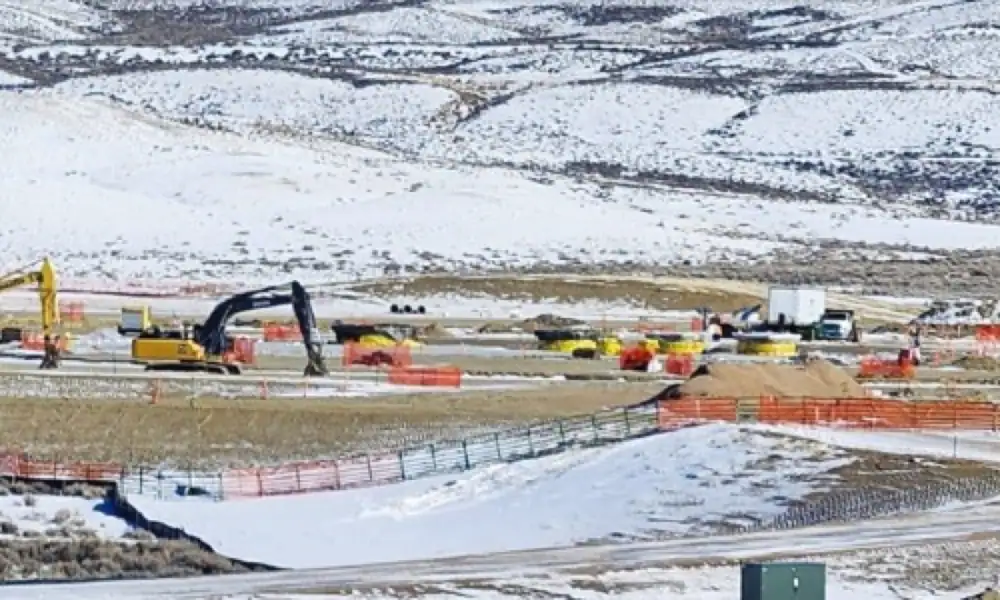
1. Article summary: the Wyoming Kemmerer SMR
Official fact: The cited Korea Economic Daily article covers a small modular reactor, or SMR, being built in Kemmerer, Wyoming.
- The summary says SMRs are safer than conventional large reactors, with accident risk at around one ten-thousandth the level.
- Generation cost was described as around half that of coal.
- The Kemmerer SMR, scheduled to begin operation in 2030, is planned to generate 345MW per hour and supply power to 300,000 households and nearby data centers.
Accident risk
Presented as around one ten-thousandth that of conventional large nuclear plants.
Generation cost
Summarized as around half the cost of coal.
345MW
Planned for 2030 operation, supplying 300,000 households and data centers.
2. Trump 2.0 and the SMR growth case
Official fact: According to the article summary, President-elect Trump pledged SMR deregulation and support, and the SMR industry was expected to accelerate.
Interpretation: AI competitiveness is tied to power infrastructure. SMR is drawing attention as an energy source that targets both power-shortage relief and electricity supply for data centers.
3. The role and opportunity for Korean companies
Official fact: The post summarized that Korean companies including Doosan Enerbility and HD Hyundai are expected to benefit by manufacturing and supplying key SMR components.
Interpretation: If SMR's industry structure resembles semiconductors, the collaboration between U.S.-led projects and Korea's manufacturing and component capabilities becomes the investment point.
Nuclear component supply chain
Potential SMR component manufacturing and supply is the stock-specific angle in this post.
Korean manufacturing partners
The interpretation is that Korean companies could emerge as major partners for the U.S.
Similar to semiconductors
Manufacturing capability may become a differentiating factor in a complex value chain.
4. Economic effects and market outlook
Official fact: The Kemmerer SMR project was summarized as creating more than 1,600 construction jobs and about 300 operating jobs, with more than 80% local support after resident persuasion and economic expectations.
Official fact: The global SMR market was introduced as potentially growing to KRW 600 trillion by 2035.
Interpretation: The key question is whether cost efficiency and safety translate into actual projects and orders. Given the large headline numbers, investors should keep checking actual supply contracts and earnings impact.
| Category | Source content | Investment watch point |
|---|---|---|
| Jobs | More than 1,600 construction jobs, about 300 operating jobs | Local acceptance and project durability |
| Local support | More than 80% support | Whether siting risk is reduced |
| Market size | KRW 600 trillion expected by 2035 | Orders and margins for Korean companies |