DEEP RESEARCH · KOREAN-STYLE VALUE INVESTING
After Reading Korean-Style Value Investing Strategy VIP
A value-investing reading memo organized around volatility, crisis resilience, and capital allocation
0. Bottom line first
The sentence that stayed with me most is that “stocks move from those who cannot endure volatility to those who can.” Even good companies face crises, and their true competitiveness shows in how they endure and overcome them.
I came to read this book after seeing a post by my neighboring blogger Sinagamja. I had heard about it many times before, but I only picked it up after reading that post.
Book information for Korean-Style Value Investing
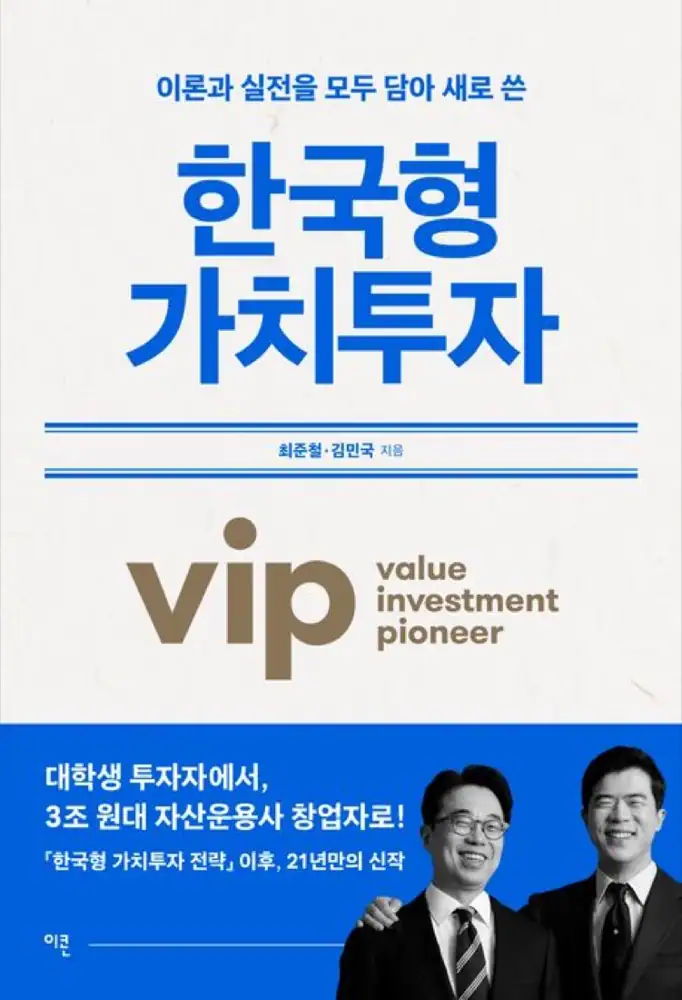
Official fact: The attached book information in the original post is Korean-Style Value Investing, by Choi Jun-cheol and Kim Min-kook, published by Econ, released on 2023.03.15.
I read many investment books, but because much of the content overlaps, I usually try not to leave reviews. Still, I am recording the points that remained memorable from this one.
1. The Investor Who Endures Volatility
To succeed in investing, it is essential to understand stock-market volatility and learn how to endure it. As the saying goes, stocks often move from those who cannot endure volatility to those who can; investors must keep their principles even in market turmoil and believe in a company’s intrinsic value.
For that, thorough research and a skeptical approach are necessary. Even good companies have always had crises, and studying how they overcame those crises is a core way to judge the true quality of a business.
2. Lessons from the IMF Foreign-Exchange Crisis
The IMF foreign-exchange crisis was not merely economic turmoil; for author Kim Min-kook, it was the starting point of his value-investing philosophy. He learned an important lesson while investing in Housing & Commercial Bank at the time.
Even amid instability in the financial system, he focused on the fact that a capable CEO named Kim Jung-tae would lead management innovation at the bank, and that analysis proved correct. As a result, Housing & Commercial Bank shares rose more than threefold, delivering a major success.
This experience showed how important it is to believe in “a company’s intrinsic value and management capability.” Military service also turned him into a forced long-term investor, letting him experience that patience and conviction amid volatility are keys to investment success.
3. Even Good Companies Always Face Crises: Dongsuh Foods
No matter how good a company is, it always faces crises. What matters is how it overcame those crises. Dongsuh Foods was a leading player in the coffee-mix market, but it went through several major challenges.
Market saturation
Growth began to stagnate as the coffee-mix market became saturated.
French Cafe challenge
Namyang Dairy Products mounted a strong challenge with the French Cafe brand and aggressive marketing.
Product and distribution
Dongsuh Foods defended share through brand trust, product innovation, and a stronger distribution network.
This case shows that even good companies can face crises, but the companies that endure and overcome them are the ones with real competitiveness.
4. Using Cash Flow: Whether to Invest in New Businesses
Another way to judge a company’s true quality is to check whether cash flow from a successful business is being properly directed into new businesses. Apple maximized corporate value by using the massive cash generated by the iPhone to grow services such as the App Store and Apple Music.
Management’s ability to allocate stable cash flow from existing businesses effectively into new businesses determines a company’s long-term success. Conversely, a company that uses cash generated from existing businesses inefficiently is likely to lose its growth engine.
Interpretation: In company analysis, capital allocation efficiency becomes one of the core criteria for investment decisions.
5. The Investor’s Attitude for Enduring Volatility
In the end, enduring volatility requires thorough analysis and conviction in the company. A skeptical approach helps prevent being swayed by excessive market optimism or pessimism.
In ordinary times, one should analyze opposing arguments skeptically, such as “this company is not good because of these problems.” Only then, when pessimism is everywhere, can optimism about the company emerge in the form of “this company is still fine because of these points.”
It is also important to examine management decisions and business defensiveness shown during crises. The way Dongsuh Foods beat a competitor based on brand trust during a market-share crisis was a moment that proved the company’s true quality.
6. Conclusion: Turning Volatility into Opportunity
Even good companies always face crises. But the way they respond during those crises proves their long-term survivability and value. Investors who endure volatility learn to understand the essence of a company through skeptical analysis and turn short-term market confusion into opportunity.
Stocks move from those who cannot endure volatility to those who can. Remember this and invest by focusing on the essence of the company from a long-term perspective. This goes beyond simply avoiding losses and can enable long-term wealth accumulation.
The points above alone made the book well worth reading for me. For those interested in the fund, I also leave the related post below. I am also planning retirement-pension investing.
Related post on the VIP Korean-style value investing fund

Sources
- Original post: Naver Blog
- Book information: Naver Shopping book page
- Related post: VIP Korean-style value investing fund post