DEEP RESEARCH · COMPANY ANALYSIS
What Makes a Company Have a Moat: Reading Efficiency Through SG&A
An analysis memo on using SG&A and cost of goods sold to assess a company’s moat and business efficiency
0. Bottom line first
For me, the most meaningful question in company analysis is what makes a company have a moat. My conclusion is that it is a company that controls SG&A and cost of goods sold well. However, cost of goods sold tends to be partly determined by the business model itself, so I will first focus on SG&A.
There is no single correct answer in analysis, but I think each investor needs a numerically comparable standard. I am studying this and leaving my thoughts here.
1. What Is SG&A?
Official fact: SG&A mainly includes labor costs, advertising and promotion expenses, transportation and delivery costs, rent and facility maintenance, R&D expenses for some companies, supplies and ordinary expenses, and depreciation.
Interpretation: Looking at SG&A as a percentage of sales makes it easier to understand a company’s moat level or business efficiency. Comparing cost of goods sold and SG&A as percentages of revenue creates an easy-to-read view of the business.
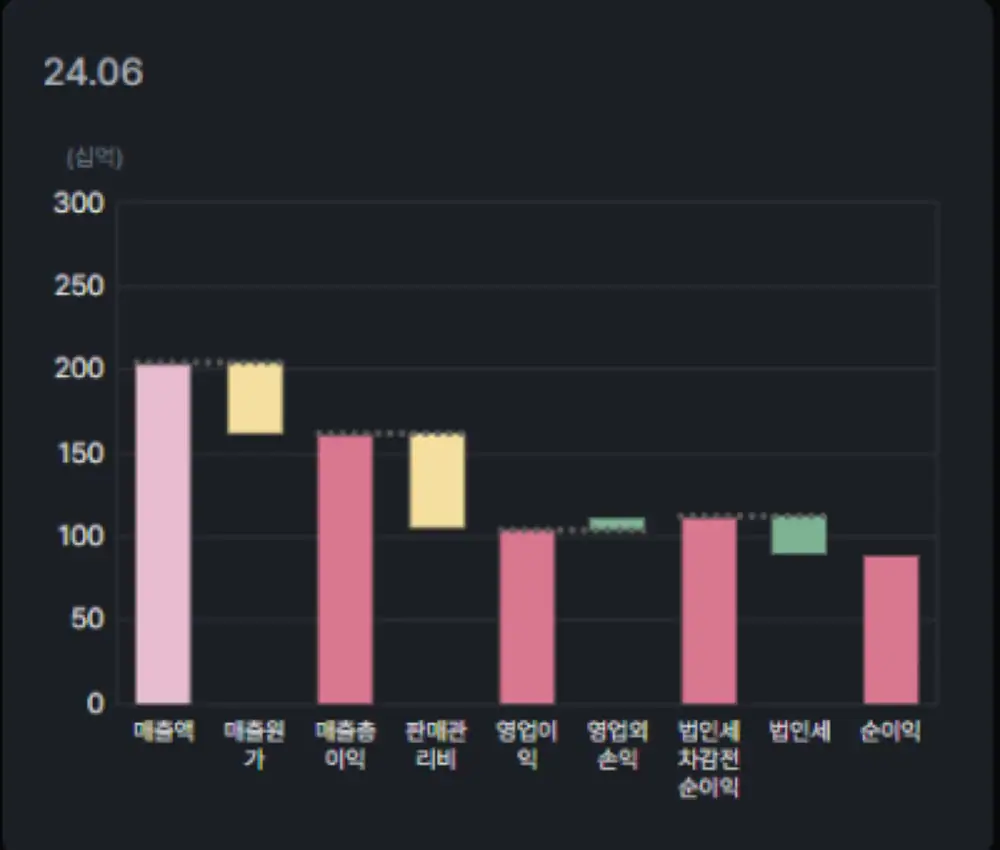
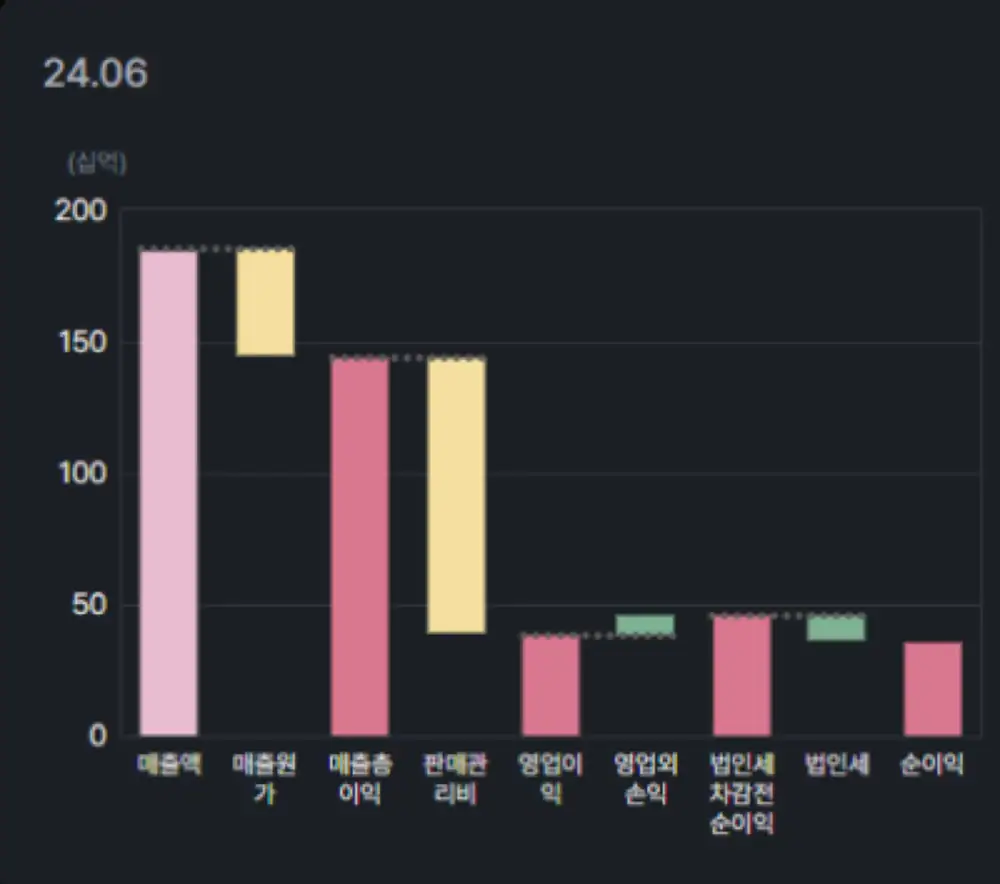
Official fact: In the attached comparison, the two companies are Classys and InBody. Cost of goods sold is about one-fifth of sales for both, but SG&A differs significantly.
2. Relationship Between SG&A Ratio and Moat
Interpretation: In general, if SG&A takes a smaller share of revenue, valuation may be higher. That is because the market may be less competitive and the company may be more likely to have a moat.
Interpretation: It is also important to check whether the SG&A ratio is falling or rising over time. This trend can help show whether the company’s competitiveness is improving or whether the market environment is getting better.
3. Why SG&A May Be Lower Than Competitors
Economies of Scale
As scale increases, fixed cost per unit declines, allowing a company to lower its SG&A ratio and maintain high margins. Such companies often have high market share or large production volume.
Operating Efficiency
Companies can lower SG&A by reducing unnecessary costs or maximizing operating efficiency through automation, digital transformation, and workforce optimization. This can also indicate management’s cost-control capability.
Brand Power
A company with a strong brand can generate high sales without spending heavily on marketing or advertising. By increasing customer loyalty through brand value, it can reduce the SG&A burden and maintain margins.
Economic Moat
A company with high entry barriers or a monopolistic position can reduce marketing costs because competition is limited, and it can keep SG&A low because customers do not leave easily. Companies with patents or exclusive technology often have a lower SG&A burden.
4. Final Checkpoint
Interpretation: The important question is how long high operating margins can last. In general, as competitors enter, a company’s returns tend to converge toward its cost of capital.
Please use this as a reference for company-analysis work.
Sources
- Naver Blog original: https://m.blog.naver.com/PostView.naver?blogId=star_of_self&logNo=223634140893